
HR-ON Comply – pay transparency software for equal pay
HR-ON Comply is pay transparency software for equal pay and inclusive job postings. It brings pay ranges, language checks, and pay analytics together in one place, inside HR-ON Recruit and HR-ON Staff, or as a standalone product to complement your existing ATS.
- Pay ranges that write themselves into the job posting
- Language feedback on gender-coded and exclusionary wording
- Pay analytics by level, role and field of work
- Job architecture that gives you an objective basis for talking about pay
- Built on the research behind Develop Diverse – now part of HR-ON
- Rated 4.6 out of 5 on G2
Price estimate in 2 minutes


Contact information
Chosen by 700+ organisations in 40+ countries





From job posting to core HR
It starts in the job posting
Pay transparency begins the first time a candidate meets you. Pay ranges in job postings are linked to your HR-ON Recruit or existing recruitment system data, so the posting is based on accurate data, not guesswork.
It continues in your core data
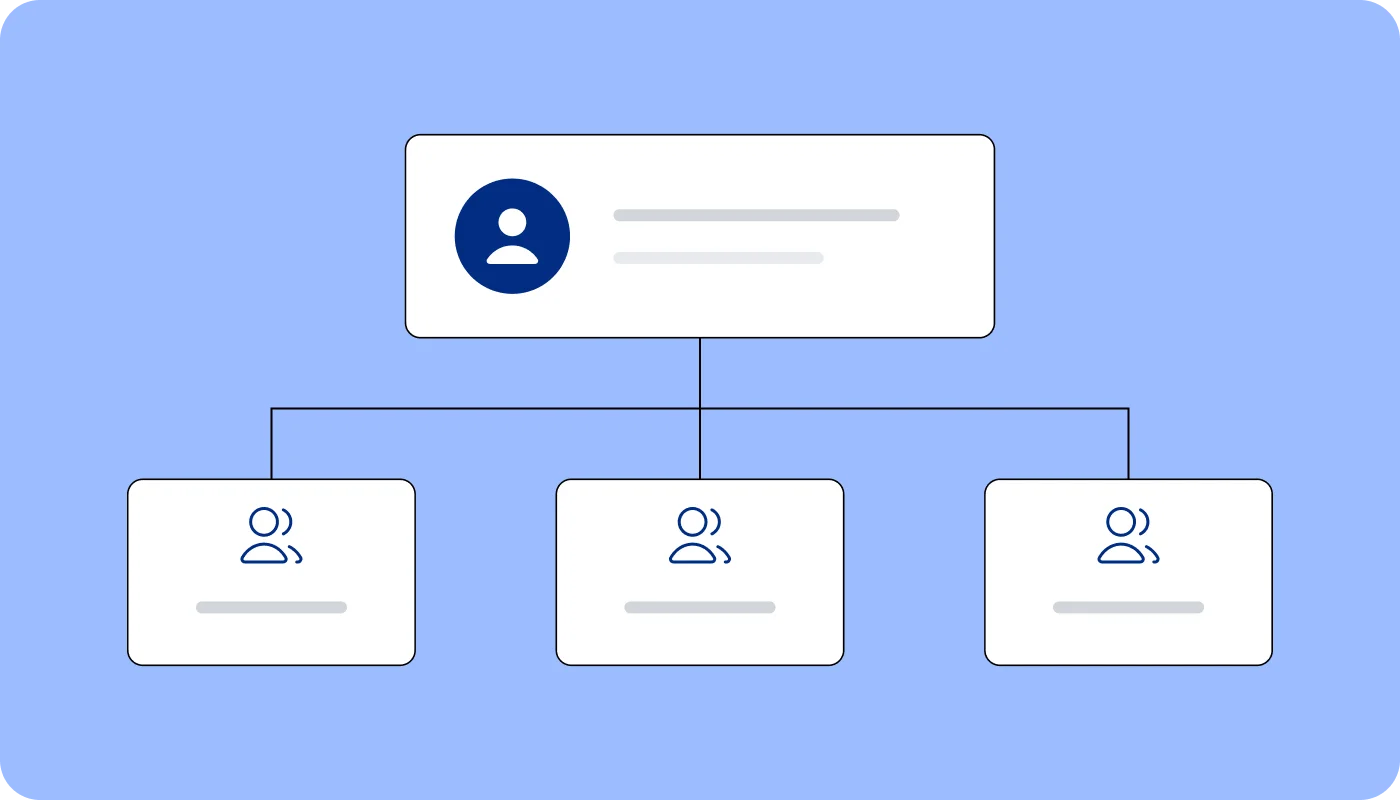
Pay only becomes usable when it connects to employee data. In HR-ON Staff or your existing HR system, pay information, positions, departments, and relevant core data are brought together in one place. No more pulling the threads together by hand in spreadsheets.
It becomes visible in the statistics
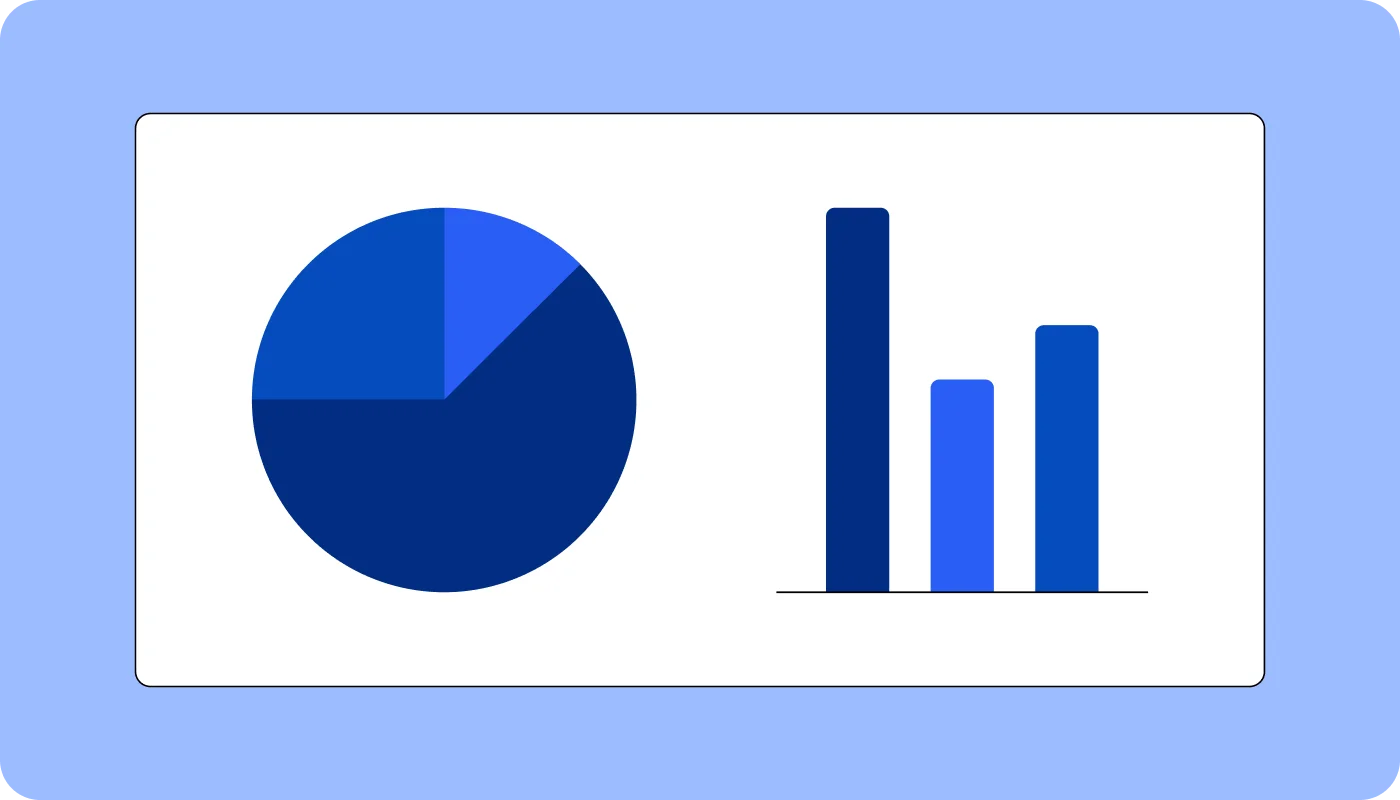
When pay, roles and data connect, the differences become possible to explain. You get statistics and dashboards that show patterns, compare groups and give an objective basis for talking about pay.
Inclusive language and job postings
Pay data, statistics and structure in your roles
Pay analytics are only as good as the structure they rest on. Job architecture makes the roles comparable, the statistics show what the comparison means, and the dashboards make the numbers possible to show.
Pay data is personal data. Here you can read how HR-ON processes personal data.
See your own pay data and write job postings that follow the rules
Book a demo and see how HR-ON Comply brings pay data, job architecture, statistics and language checks together in one place.
Want a price estimate first? Calculate the price of your solution.
Questions first? Call us on +45 71 99 07 48 or write to sales@hr-on.com
What is HR-ON Comply – pay transparency software
Pay analysis, language feedback, and pay ranges normally require three separate tools. HR-ON Comply brings them together in one place.
HR-ON Comply works inside HR-ON Recruit and HR-ON Staff, or as a standalone product to complement your existing ATS. It builds on the research behind Develop Diverse and Lyser, which HR-ON acquired in April 2026.
Who is HR-ON Comply for
HR-ON Comply is for people responsible for HR, management, and compliance in organizations covered by the EU pay transparency rules – whatever their size. The requirements for pay information in job postings and for the language used in them apply in most jurisdictions, regardless of headcount.
HR-ON Comply pays for itself twice: once in the fines and disputes you avoid, and once in the candidates and employees you do not lose.
What you get out of it
Pay transparency is not a project that ever finishes
Pay transparency and equal pay rules are tightening across Europe – new countries, new thresholds, new reporting duties. Most of them trace back to the EU Pay Transparency Directive, Direktiv (EU) 2023/970, which Member States had to transpose by 7 June 2026.
If you cannot show your pay ranges, document that your job postings are free of bias, or explain a difference between two roles, you are exposed. This year, and every year after it.
HR-ON Comply is where compliance stops being a spreadsheet project and becomes part of the way you work.
What is at stake without pay transparency
Requirements, thresholds and deadlines
The Directive is the same across the EU, but individual countries can go further. These are the requirements as they stand in the Directive – thresholds, deadlines and legal basis.
Requirements, thresholds and deadlines in Directive (EU) 2023/970 on pay transparency
| Requirement | Who is covered | From when | Legal basis |
|---|---|---|---|
|
Pay or pay range must be stated before employment, and you may not ask applicants about their pay history |
All employers, regardless of headcount |
From national transposition |
|
|
Workers have the right to information about their own pay level and average pay levels broken down by sex for the same work – answer within two months of the request |
All employers |
From national transposition |
|
|
Reporting on the pay gap between female and male workers |
|
||
|
Joint pay assessment together with workers’ representatives |
Employers subject to pay reporting where the difference is at least 5 % in a category of workers, is not justified on objective, gender-neutral criteria, and has not been remedied within six months of the pay reporting |
Triggered by the pay reporting |
|
|
Directive transposed into national law |
All EU Member States |
By 7 June 2026 |
|
The table reproduces the Directive’s own requirements and is not legal advice. National transposition can be stricter. We go through your specific markets on a demo. If you want to get started, we have collected the requirements in a checklist for the Pay Transparency Directive.
Developed with legal and research input

Legal input
Nilgün Aydin is a lawyer specialising in HR law with her own practice, Nilgün Aydin | HR-jura, in Frederiksberg near Copenhagen. She has been admitted to the bar since 2004 and has been a professional sounding board for HR-ON’s work on pay transparency. The solution therefore rests on both legal insight and concrete HR needs. Nilgün Aydin is admitted in Denmark and advises on the EU Directive, not on national law in other countries.
The research foundation
The language and job posting part builds on Develop Diverse and Lyser, which HR-ON acquired in April 2026. Develop Diverse is a software platform that trains users in bias and stereotyped word choice in recruitment. Lyser adds research and data on what makes a good job posting.
Organisations that have used Develop Diverse




Frequently asked questions about pay transparency and HR-ON Comply
About pay transparency and the rules
What is pay transparency?
Pay transparency means that pay, and the criteria behind it, are open and possible to explain. In the EU the requirements are set out in Directive (EU) 2023/970, which among other things obliges employers to state the pay or pay range before employment, gives workers the right to information about pay levels, and requires reporting on the gender pay gap. Member States had to transpose the Directive by 7 June 2026. See how HR prepares for pay transparency with the right systems.
What is the difference between pay transparency and equal pay?
Pay transparency is about openness: that you can state pay or a pay range and explain how pay is set. Equal pay is about the outcome: that equal pay is given for the same work or work of equal value. Directive (EU) 2023/970 links the two, because transparency is the means of uncovering pay differences that cannot be explained. HR-ON Comply covers both: the pay analytics show the differences, and pay ranges and inclusive job postings prevent them.
Reporting and joint pay assessment
When do we have to report, and how many workers do we need?
Under Article 9 of the Directive, employers with 250 or more workers must report on the gender pay gap by 7 June 2027 and every year thereafter. Employers with 150–249 workers must report by 7 June 2027 and every three years thereafter. Employers with 100–149 workers must report by 7 June 2031 and every three years thereafter. Below 100 workers it is voluntary, but individual countries may require it under national law.
What triggers a joint pay assessment?
Under Article 10 of the Directive you must carry out a joint pay assessment together with the workers’ representatives if all three conditions are met: the pay reporting shows a difference in average pay between women and men of at least 5 % in a given category of workers, the difference is not justified on objective, gender-neutral criteria, and it has not been remedied within six months of the pay reporting.
About HR-ON Comply
Is HR-ON Comply an add-on or part of HR-ON?
HR-ON Comply works directly inside HR-ON Recruit and HR-ON Staff – or in other systems you already use. We show you exactly what is included in your setup on a demo.
Can we adapt the pay analytics to our organisation?
Yes. Views, comparison groups and thresholds are adapted to the way your organisation is actually built: by level, role, field of work, department or unit.
Which countries does HR-ON Comply cover?
Coverage follows EU law and national pay transparency law, and is updated as the rules develop. We go through your specific markets on a demo.
Do we need HR-ON Comply if we are a smaller organisation?
Yes. The requirements for pay information in job postings, and for the language used in them, apply in most jurisdictions regardless of headcount. The pay analytics also help you get ahead of the differences before you become subject to reporting.
How does HR-ON Comply fit together with HR-ON Recruit and HR-ON Staff?
Pay ranges and language checks live in HR-ON Recruit, where the job posting is written. Pay data, job architecture and statistics live in HR-ON Staff. If data needs to go to other systems, it can be connected via HR-ON’s open API.
