Chapter 1 of 4: Great recruitment in 2026
Employer branding in 2026: Ready, set… hire!
In 2026, recruitment is not something you can just throw together at the last minute. It requires thought, timing, and a recipe that makes sense from the first ingredient to the final result. Employer branding is precisely the foundation that makes the difference between recruitment that succeeds and recruitment that falls flat.
Welcome to the series, Great recruitment in 2026! Today, we are opening the first chapter and starting with the most important ingredient of all: employer branding.
Because just like in a baking competition, it is not only about having the right ingredients – it is about the whole experience. The taste, the feeling, and the impression you leave behind.
In 2026, candidates have plenty of options, and they quickly notice who has the recipe under control – and who is still serving something half-baked. So let’s turn on the oven and dive into employer branding as the foundation of excellent recruitment.
What is employer branding about?
Is there one correct way to define employer branding without leaving something out? We will make a short attempt:
Employer branding is the way you are perceived as a workplace.
You probably already know that, but in 2026, it is no longer enough to say: “We are an attractive company with strong values and a great lunch service.”
Candidates do not just buy the message – they investigate it.
Employer branding is about the overall impression you leave with both candidates and employees:
- What do your job ads say between the lines?
- How does it feel to visit your career site?
- What tone does the candidate meet during the process?
- And does it all match reality?
In 2026, recruitment often starts long before the first interview. Candidates research you, read reviews, and form an impression before they even click “apply” – in fact, 83% of job seekers look at company reviews before applying.
Employer branding is therefore not just something that sits in the marketing department. It lives in the culture, the communication, and everyday working life. But what is the right recipe?
You are reading a chapter in our blog series: Great recruitment in 2026
A series where each chapter zooms in on an area you can work on to develop and improve your recruitment.
Right now, you are in:
Chapter 1 – Employer branding in 2026: Ready, set… hire!
4 areas that strengthen your employer brand in 2026
Employer branding can quickly feel like a massive cake with far too many ingredients. Luckily, you do not need to use the entire baking shelf at once – you can start with the ingredients that make the most significant difference.
The truth is, there are many areas to focus on. Culture, communication, recruitment, employee experience, values, social media… the list is long.
But instead of trying to do everything at once, it makes sense to start with the areas that have the greatest impact – and that connect in a circular process, where each improvement strengthens the next.
That is why we have selected four areas that are especially important to work with in 2026 if you want to build a strong employer brand:
- Company story
- Culture
- Candidate experience
- Communication
1) Your company story – what do you actually stand for?
The first area is to look inward: What should candidates associate you with as a workplace?
It is not about inventing something clever, but about being able to put words to what is already true.
In 2026, candidates do not just choose a job; they prefer a workplace where they can see themselves. That is why it is crucial that you can explain:
- What does the company stand for?
- What makes you, you?
- What can people expect if they work with you?
When that story is clear, employer branding becomes easier because it is no longer about creating a brand, but about showing it. It is not only HR or marketing that owns the task, but several groups together can strengthen the story and your employer brand.
Where do you start? Begin by gathering a group that represents the company’s departments, and together you can create a plan for how the company’s story should be told, so everyone is represented.
What do we do at HR-ON?
How do we tell our story, and who we are? One way to answer that question is to show what we are like as a company. We have written this down in an employee manifesto, which both employees and interested candidates can read.
2) Culture – the brand from the inside
Employer branding is not only about LinkedIn posts. The employee experience and the culture your company has matter greatly for your employer branding and recruitment.
Beyond the job ad text, potential candidates may spend time investigating what kind of company you are: Do you have shared events? What does the workplace look like?
Is it only polished social media content, or are employees also sharing real moments?
Employer branding tips offer many possibilities in the culture area, but one that does not require a huge setup is simply showing who you are: show it, don’t tell it.
Social media posts are a prominent place to start, and if you already know colleagues who could be good “ambassadors,” the first step is simply to ask them.
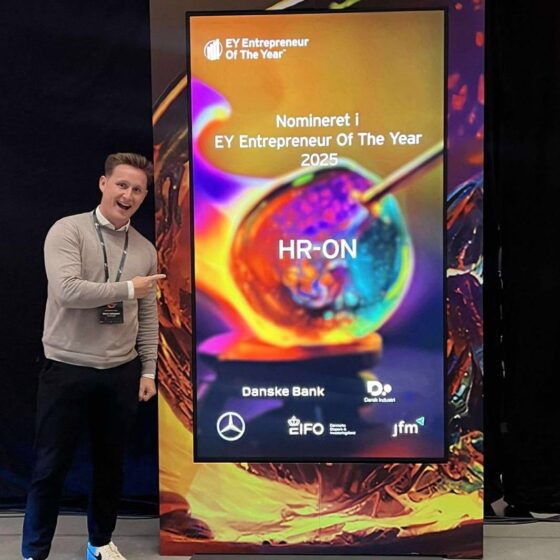
We also work on our own employer branding and are far from perfect, but on LinkedIn, we try to show that we are more than just a system:
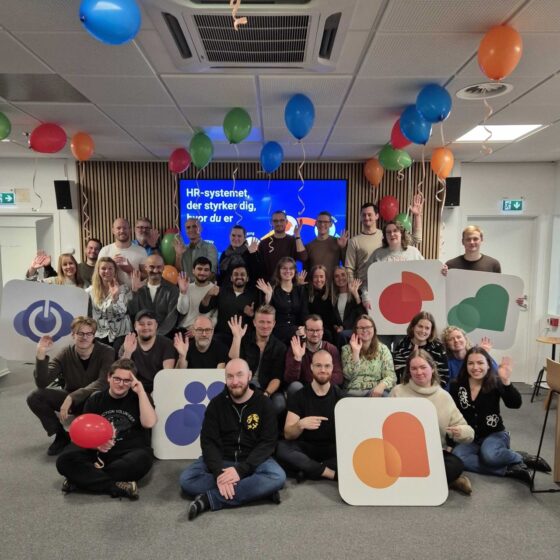
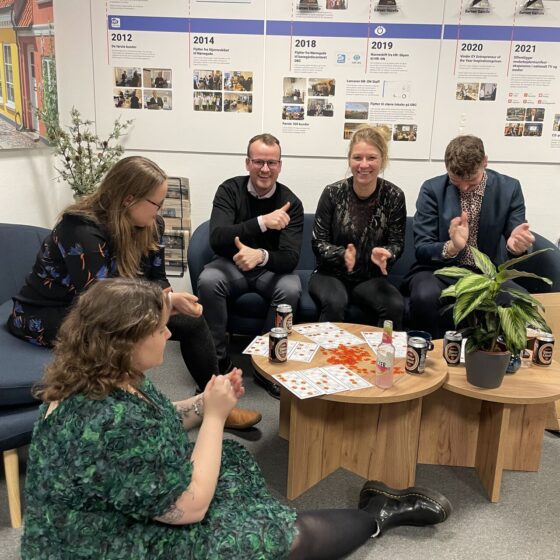

3) Candidate experience – when candidates feel your brand
Candidate experience is often where employer branding is decided.
It is about all the small and large touchpoints in recruitment: from the first click on the job ad to the final email.
In 2026, we can expect a process that feels both professional and human. You can use the 4 keys to better recruitment in the employee journey, or read 5 tips here that cover areas where candidate experience can be adjusted.
5 things you can do with employer branding in candidate experience:
- Make the application personal with your company brand
- Communicate clearly throughout – always in your voice, and drop the clichés
- In interviews: show who you are beyond work – running clubs, team days, shared lunches
- Use technology that creates speed, transparency, and personality
- Collect feedback from candidates afterwards – what worked well, and what can improve?
Remember: work fills a large part of life. And we are all different. Show that there is room for everyone, both those who want to join the clubs and those who prefer to go home when the workday ends.
4) Communication – make your employer brand visible and real
Even the best employer brand does not work if no one can see it. That is why it is important to tell your workplace story across career sites, social media, and recruitment processes.
It is not about posting more, but about communicating more authentically. Think about how you write a social media post. What language fits? You may not write “no cap” – that is not the point. But you might consider replacing “we are proud and honoured…” with something more human, more you.
Maybe you have a brand guide, but do you also have one for language?
Employer branding works best when what your company says externally matches what happens internally. That also applies to writing style – always adjusted to the platform.
Perhaps you have a special phrase or expression in your company. Why not let it become part of your communication too?
Read also: Recruitment process A to Z: A complete guide
Employer branding is not a campaign
One of the biggest misunderstandings about employer branding is that it is something you “run” only when you need employees. It is not a campaign nor a quick mixture you throw together at the last minute – it is built over time.
Showing who you are should be a permanent part of the agenda. The challenge often lies in deciding who owns the task. It may sit naturally in communication or marketing, but do not forget input from other departments.
There are many ways to show yourselves. Try the tips above and see what works best for your audience.
Employer branding is not just fun; it matters, even to CEOs. And when both leadership and employees see the value, time can be allocated to more than just small employer branding tasks – to a full annual plan.
A great way to show who you are is to let employees tell and show more of themselves.
For example, you can create videos with employees, like “Meet your colleague”:
Employer branding also requires the right tools
Employer branding is not only about storytelling and culture, but also about how recruitment works in practice. Even the strongest company story can fall apart if candidate experience is weak or communication becomes unclear.
That is why digital tools can be an extra helping hand. For example, a recruitment system can be an essential ingredient. You get this with HR-ON Recruit, which includes everything from career sites and AI profiling to automated calendar booking, improved internal communication, and benchmarks that let you compare your recruitment with others in the industry.
When processes work smoothly, employer branding becomes more than something you say. It becomes something candidates feel.
Ready to strengthen your employer branding in practice?
Would you like to see how you can work more structured with employer branding and recruitment in everyday life? Then book a demo and experience how HR-ON can help you attract the right candidates – and create a candidate experience that is consistent from start to finish.
You can also use our price calculator and get a quick overview of what fits your needs.
Now you have read Chapter 1 of the series “Great recruitment in 2026.” In the next chapter, we will zoom in on another key ingredient: reducing bias in recruitment.
So the question is: Are you ready to bring the recipe fully to life?
FAQ: What is employer branding?
What is employer branding?
Employer branding is the way a company is perceived as a workplace by both candidates and current employees.
How are wellbeing and employer branding connected?
A strong employer brand is built on a healthy culture and high wellbeing, because employee experience shapes how the company is talked about and experienced externally.
Why is wellbeing important for recruitment in 2026?
Candidates do not only choose a job – they prefer a workplace where they can thrive. That is why wellbeing is an essential part of attracting the right people.
How can companies work with wellbeing and employer branding?
By building an authentic culture, communicating clearly, improving candidate experience, and ensuring that what the company promises is also felt in practice.