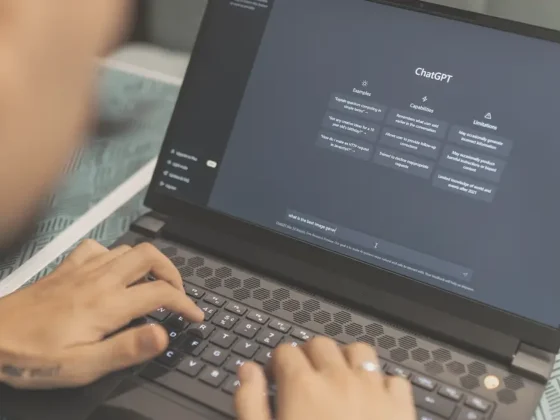

AI in recruitment: The Opportunities – and the Responsibility
Few areas of HR have seen as much AI innovation as Talent Acquisition. From sourcing to screening to job ad creation, AI is reshaping how teams operate — and opening up real possibilities for faster, more efficient, and potentially fairer hiring.
But alongside the promise, there are also risks. As recent headlines have shown, AI isn’t neutral — and relying on it blindly can introduce new kinds of bias, compliance concerns, and reputational risk. For TA leaders, it’s essential to both leverage AI’s advantages and fully understand its limitations.
Short summary (TL;DR)
AI is transforming recruitment by automating repetitive tasks, improving efficiency, and supporting more consistent hiring processes. However, using AI responsibly requires an understanding of its limitations, including risks related to bias, transparency, and compliance.
In this article, you will learn:
- How AI can improve efficiency, consistency, and decision-making in recruitment
- What risks AI introduces, including bias, lack of transparency, and compliance challenges
- Why human oversight is essential for responsible AI use in recruitment
In short, AI can help organisations make recruitment more efficient and potentially fairer, but human judgment and oversight remain essential to ensure responsible and effective hiring decisions.
Where AI Adds Real Value
Used thoughtfully, AI can help Talent Acquisition teams focus on what matters most: hiring the right people.
1. Time savings on repetitive tasks
AI can take over much of the manual work that has traditionally slowed down recruiting — from writing initial job ad drafts to scheduling interviews or screening basic qualifications. This frees up recruiters to spend more time with candidates and hiring managers, where human judgment matters most.
2. Standardizing processes and reducing noise
AI tools can help ensure greater consistency across job postings, evaluations, and communications, making processes more scalable across teams and regions.
3. The potential to reduce bias — if handled carefully
AI can help flag biased language in job ads, surface more diverse candidate pools, or identify inconsistent evaluation patterns across interviewers — when designed and monitored with care.
4. Better data for decision-making
AI-powered insights can help teams spot trends earlier: where hiring funnels slow down, which job ads convert better, or where interview feedback may be inconsistent.
You might also like: Hiring for the Future
But AI Also Brings New Risks
AI isn’t inherently objective. It reflects the data it’s trained on — and can easily reinforce existing inequities if not carefully designed, monitored, and applied.
1. Bias baked into training data
Many AI models are trained on historical hiring data, which may already reflect bias. If not actively corrected, AI can simply reproduce past patterns — unintentionally disadvantaging certain groups.
2. Lack of transparency
Some AI tools function as black boxes, making decisions or rankings without clear explanations. This can create real challenges for compliance, fairness, and candidate trust — especially under increasing regulatory scrutiny.
3. Compliance and legal exposure
The class-action lawsuit against Workday highlights the legal risks companies may face if AI tools contribute to discriminatory outcomes. More regulation is likely coming, and TA leaders will need to fully understand how their tools operate.
4. Over-reliance on AI outputs
AI can generate content that sounds polished — but lacks substance. Many AI-generated job ads, for example, feel professional at first glance but fail to inform candidates about the real role, reducing hiring quality in the long run.
AI Requires Human Oversight
The opportunity with AI isn’t to automate judgment — it’s to automate the right tasks, while keeping recruiters firmly in the loop where expertise, ethics, and business context are required.
Use AI to draft job ads — but ensure hiring managers and recruiters review for clarity, accuracy, and tone.
Use AI to help screen candidates — but never as the sole decision-maker.
Use AI to spot patterns — but verify insights against real business needs and data.
Use AI to suggest improvements — but always apply human context before acting.
Moving Forward with Confidence
Understanding how each AI tool works
Knowing where automation helps — and where judgment is still essential
Staying alert to new compliance and regulatory developments
Keeping candidates at the center of every decision
At HR-ON, we believe AI should support better hiring — not shortcut the critical thinking that makes great hires possible.
You might also like: Understanding Merit-Based Hiring: A Path to Fairness
How can organizations use AI responsibly in recruitment?
How can AI improve the recruitment process?
AI can improve recruitment by automating repetitive tasks such as drafting job ads, scheduling interviews, and screening basic qualifications. It can also help standardise processes, analyse recruitment data, and free up time for recruiters to focus on candidates and hiring decisions.
What are the main risks of using AI in recruitment?
The main risks include bias in training data, lack of transparency, compliance challenges, and over-reliance on AI-generated outputs. Without proper oversight, AI can reinforce existing inequalities and negatively affect hiring decisions.
Can AI help reduce bias in recruitment?
AI can help identify biased language in job ads, highlight inconsistent candidate evaluations, and support more inclusive recruitment practices. However, AI systems can also reproduce biases from their training data, making careful monitoring and human oversight essential.
Why is human oversight important when using AI in recruitment?
Human oversight helps ensure that AI-generated recommendations and decisions are accurate, fair, and relevant to the organisation’s needs. Recruiters and hiring managers should review AI outputs and retain responsibility for important hiring decisions.
How can organisations use AI responsibly in recruitment?
Organisations can use AI responsibly by understanding how their tools work, monitoring potential bias, ensuring transparency, and staying informed about relevant regulations. Combining AI-driven efficiency with human judgment helps create more effective and fair recruitment processes.